

About Me
With an interdisciplinary background, having Erasmus Mundus master’s in intelligent field robotic systems with a bachelor’s in software engineering, I have worked hands-on with ground, and aerial robots, focusing on motion planning, multi-robot systems, control, and sensing and perception. My passion lies in developing autonomous systems capable of adapting to complex and dynamic environments using the intersection of mentioned research lines.
Hobbies: I love learning about and flying FPV drones, playing Sudoku and basketball.Education
Erasmus Mundus Joint Masters in Intelligent Field Robotic Systems | University of Girona & University of Zagreb
Semester I & II in Girona: Autonomous Systems, Hands-on Planning, Perception, Localization, Manipulation, Machine Learning, Multiview Geometry, Probabilistic Robotics
Semester III in Zagreb: Multi-Robot Systems, Aerial Robotics, Robotic Sensing, Perception, & Actuation, Human-Robot Interaction, Deep Learning
Bachelor of Engineering in Software Engineering | Mehran University of Engineering and Technology
Data Structures & Algorithms, Discrete Structures, Operations Research, Agent-Based Intelligent Systems, Statistics and Probablity
GPA 3.96 / 4.00 - Silver Medal Distinction (First Position)
Experiences
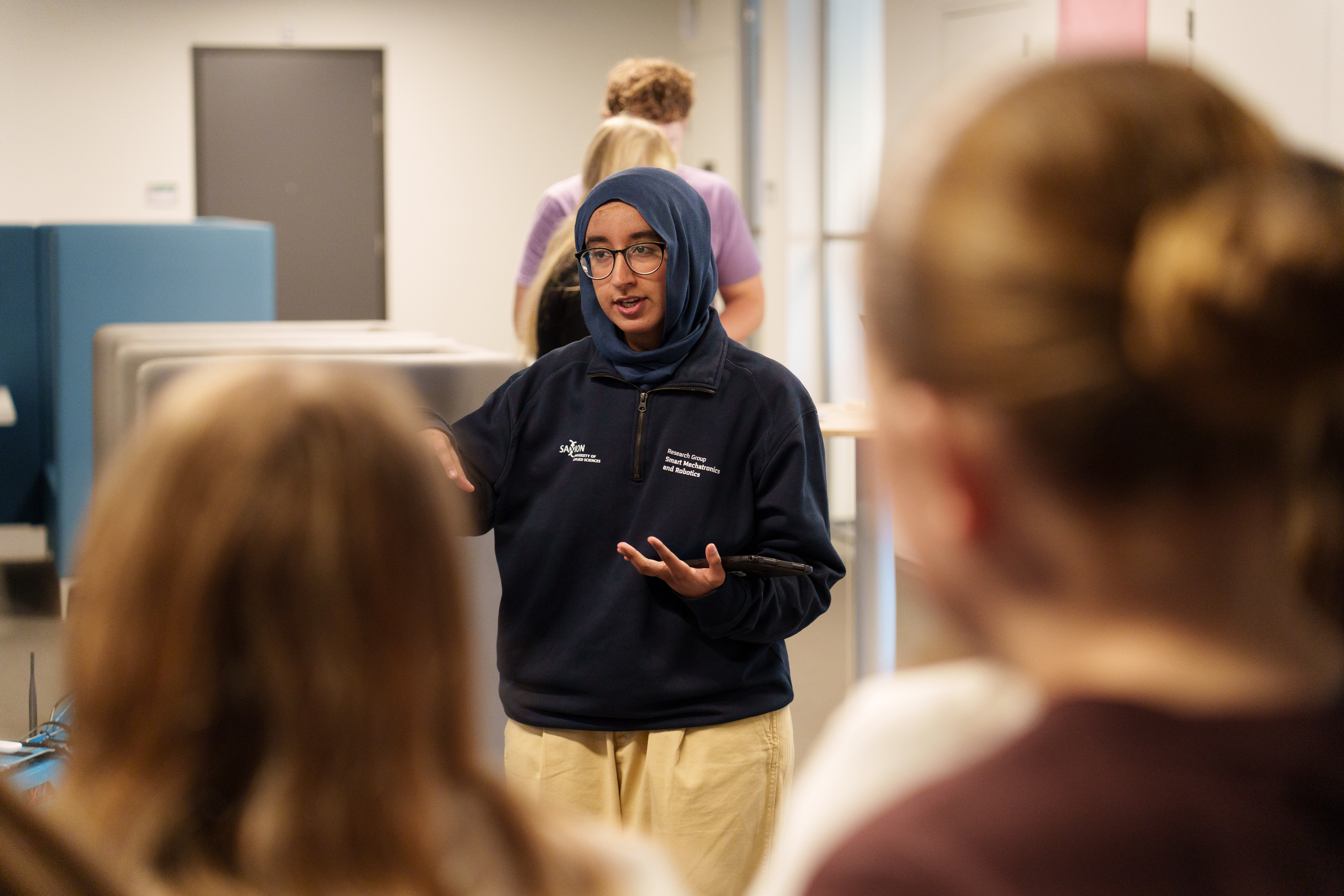
Robotics Researcher | Saxion University of Applied Sciences - Smart Mechatronics and Robotics Research Group
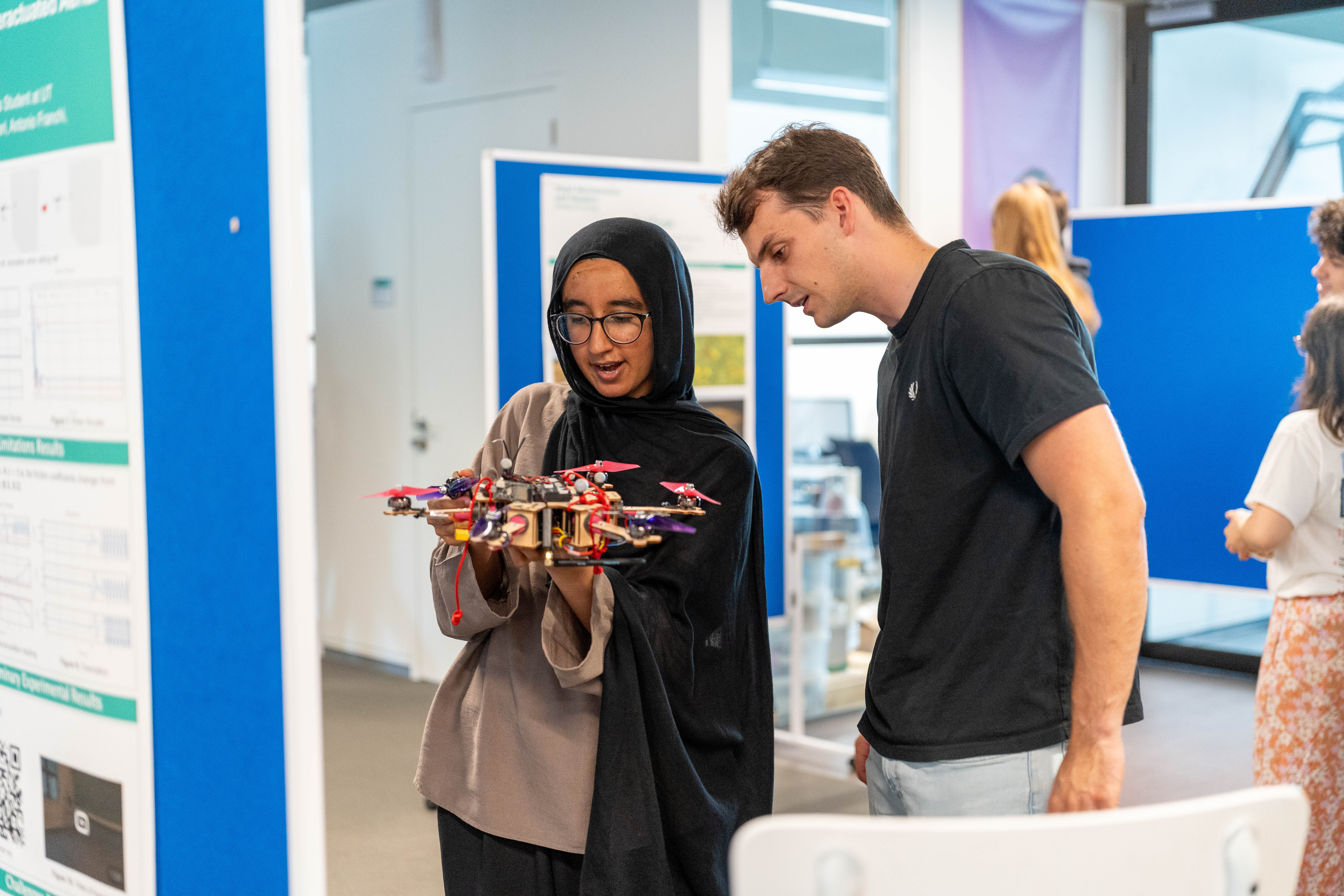
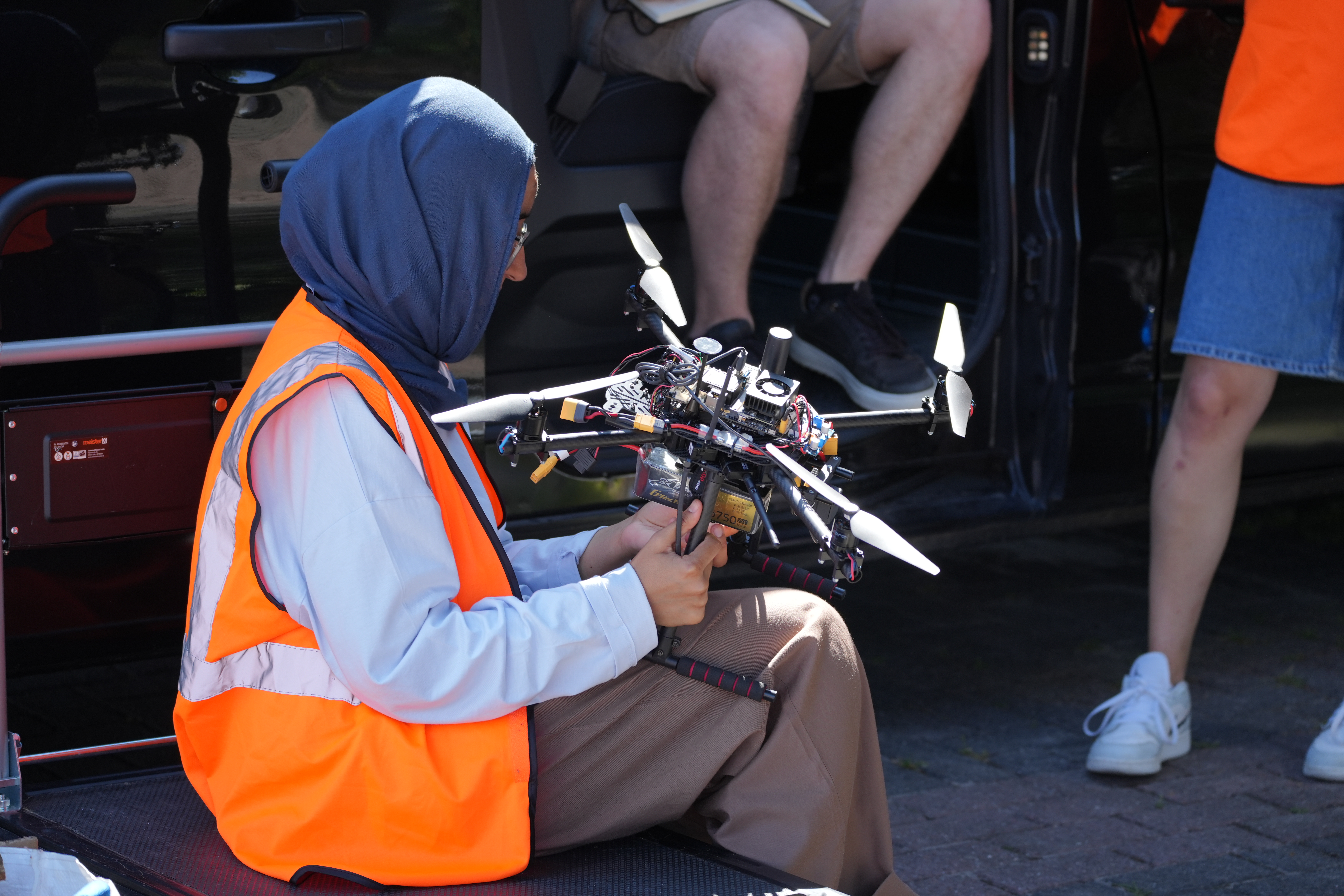
- Contributed to the development of an autonomous security drone for target detection, tracking, and following within a field robotics research project.
- Researched perception methods using RGB and thermal sensing modalities, and a search-and-follow framework using hierarchical state-machine control that integrates randomized path planning, real-time target tracking, and fire detection/localization for situational awareness.
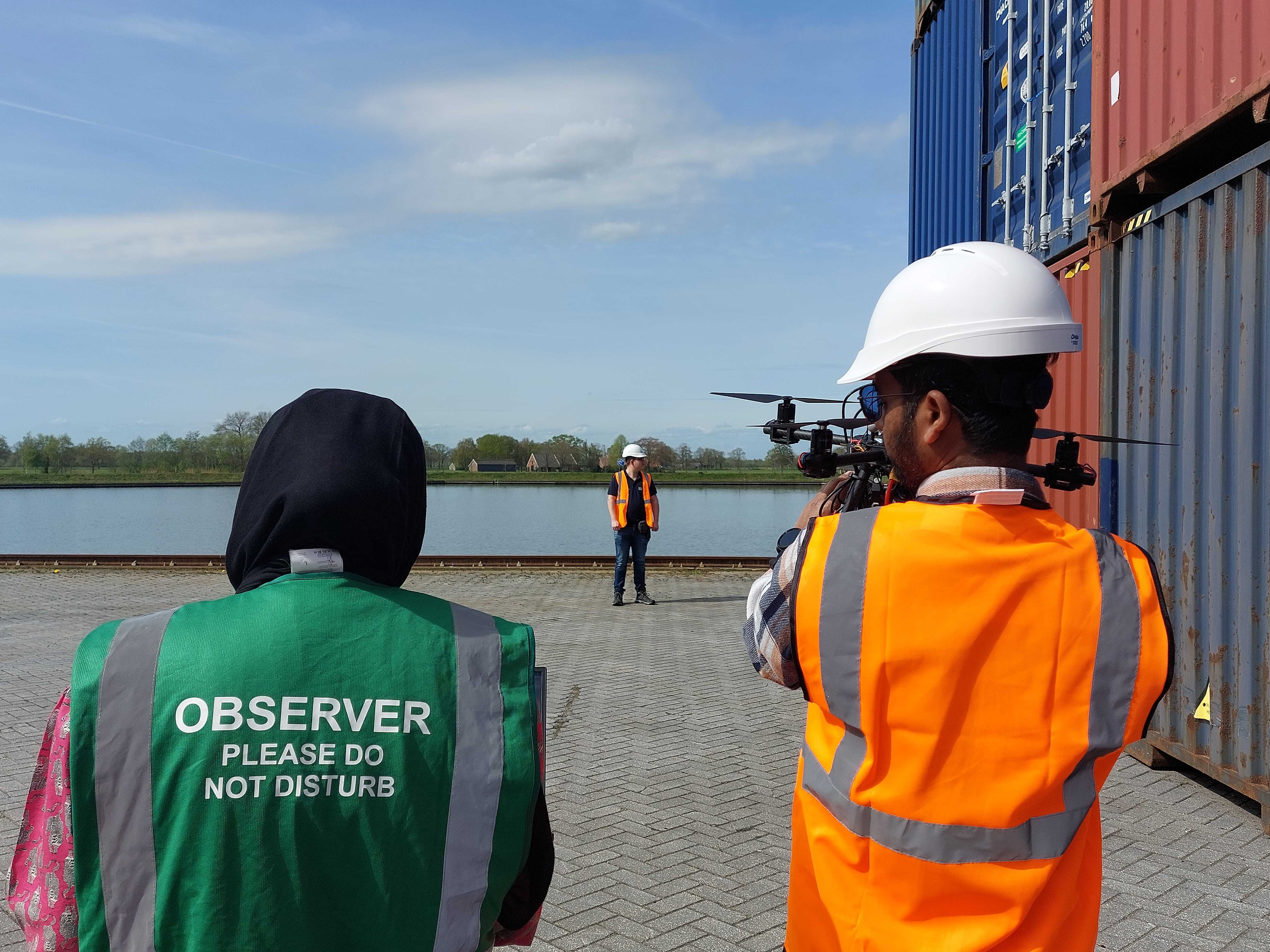
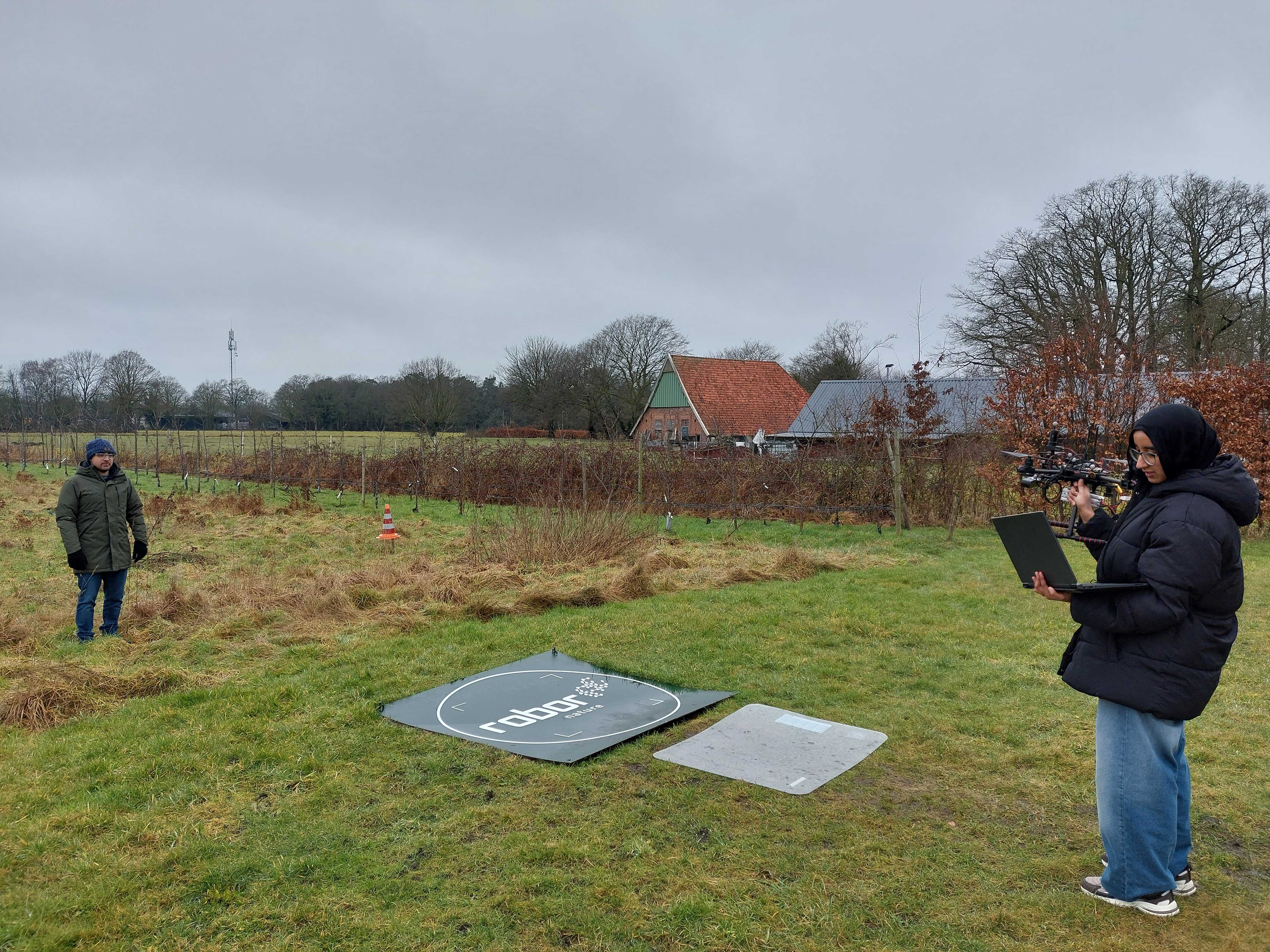
- Collaborated with a multidisciplinary research team on sensor and system integration of different work packages, and scientific documentation. Additionally, supported field tests with industrial partners.
- Co-supervised undergraduate students working on an autonomous security drone project and served as the client representative for first-year electrical engineering course autonomous systems projects.
Master Thesis/Intern | Saxion University of Applied Sciences - Smart Mechatronics and Robotics Research Group
- Thesis title: Vision-based tracking and following of a moving target using an unmanned aerial vehicle
- Developed and validated a closed-loop tracking and following system on a quadrotor, combining Kalman-filter based state estimation with a visual servoing controller, through real-world flight experiments on physical hardware.
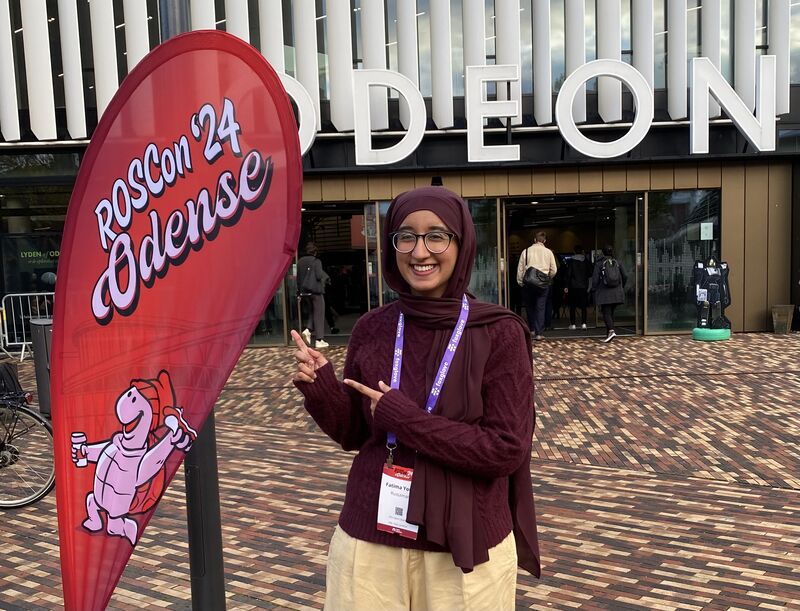
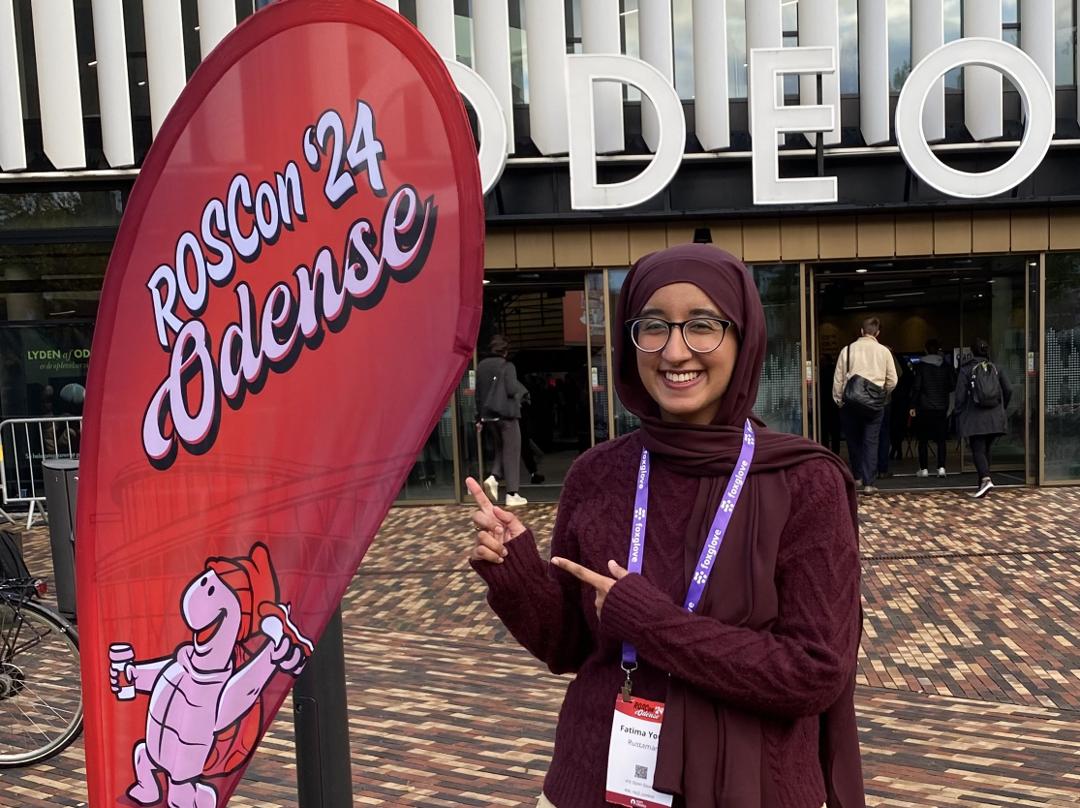
ROSCon 2024 Diversity Scholar | Open Robotics, Denmark
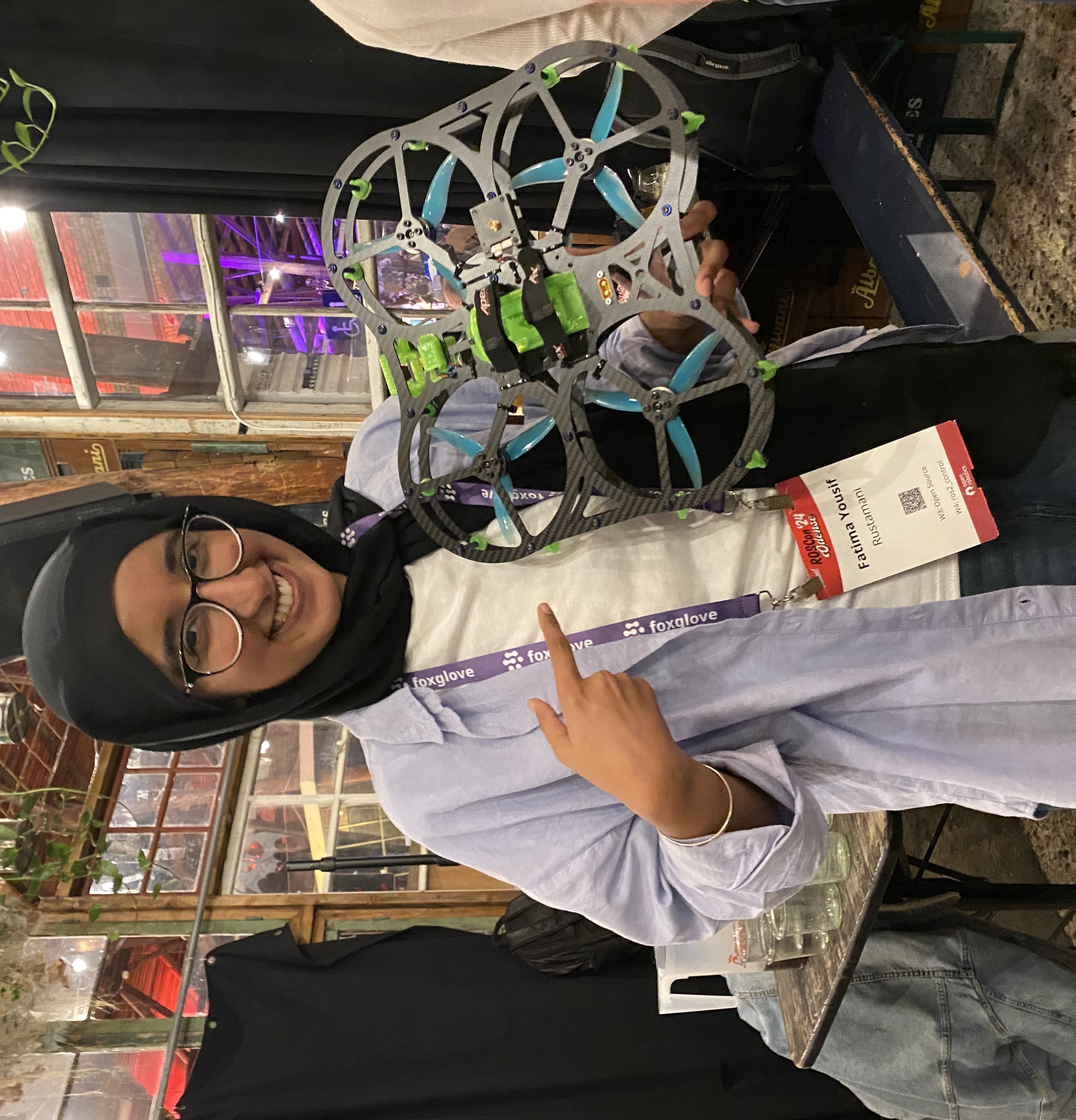
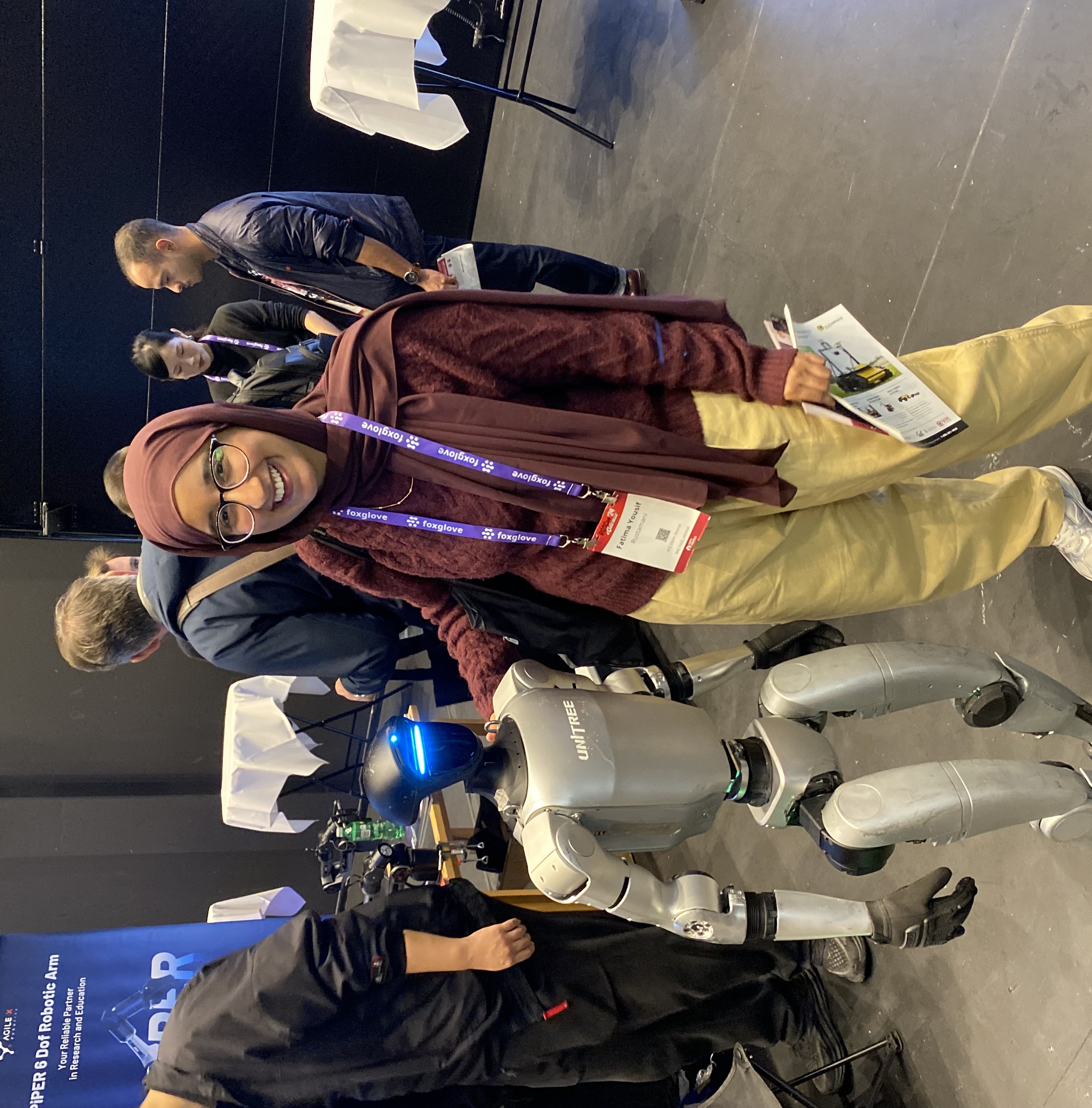
I secured a diversity scholarship to attend the ROSCon 2024 in Denmark where I had the opportunity to network with companies and ROS contributors globally. I specifically got extensive hands-on experience by attending the workshops named “Open source, open hardware hand-held mobile mapping system for large scale surveys” which gave exposure to essential processes such as LIDAR odometry and multi-session refinement for large-scale mapping and “ros2_control” where we learned about controller chaining, fallback controllers, and async controllers.
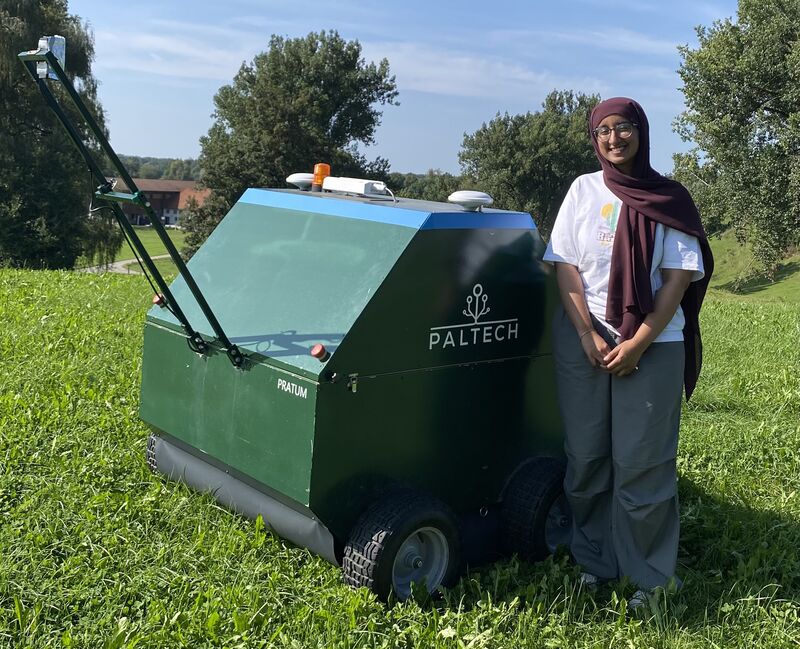
Robotics Intern | Paltech Robotics GmbH
Worked on testing and comparing two new ultrasonic sensors i.e. Bosch and Valeo for the collision avoidance task to include the safety braking feature (setting thresholds to slow down or stop the robot with ROS2) which involved performing multiple field tests of different high grass.
Projects
Vision-Based Tracking and Following of a Moving Target Using an Unmanned Aerial Vehicle
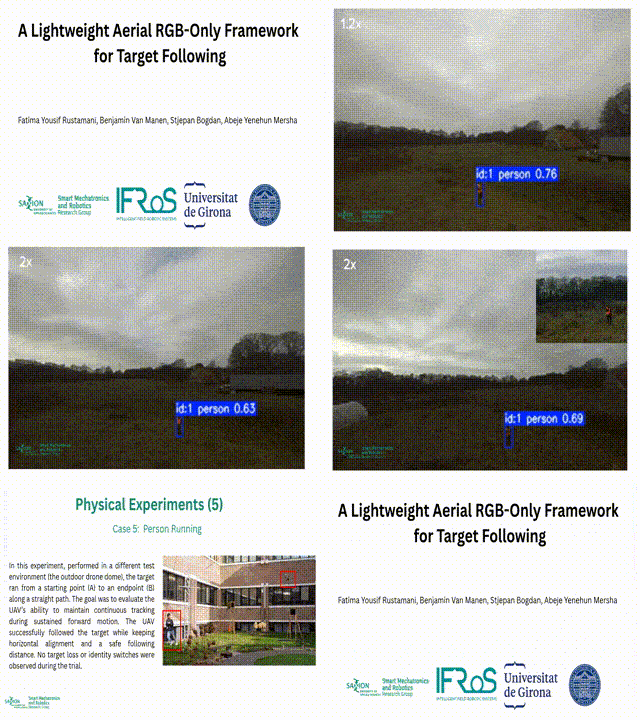
Developed an end-to-end perception-control pipeline that lets a quadrotor detect, track and follow a person in real time. A YOLO-based detector finds people in each frame, and the multi-object trackers BoT-SORT and ByteTrack link detections into persistent tracks using IoU-based association, and a Kalman filter predicts the target’s motion when detections drop out, preserving identity through occlusions. The target’s image position drives an image-based visual servoing controller that generates velocity commands to keep following it. The complete system was integrated and validated through real-world flight experiments.

Decentralized UAV Swarm Control using Reynolds Flocking and Consensus Protocol
Designed and implemented consensus-based formation control for a swarm of nano unmanned aerial vehicles (UAVs), using Laplacian-matrix dynamics and pinning control to drive agents into target geometric configurations (line, triangle, rectangle, pentagon, hexagon) with a designated leader agent. Analyzed convergence under four communication topologies and a perception-based switching topology; validated in ROS2/Gazebo simulation and on real hardware with up to 4 UAVs, demonstrating scalability from 3 to 6 agents.
Frontier Based Exploration Using Kobuki Turtlebot
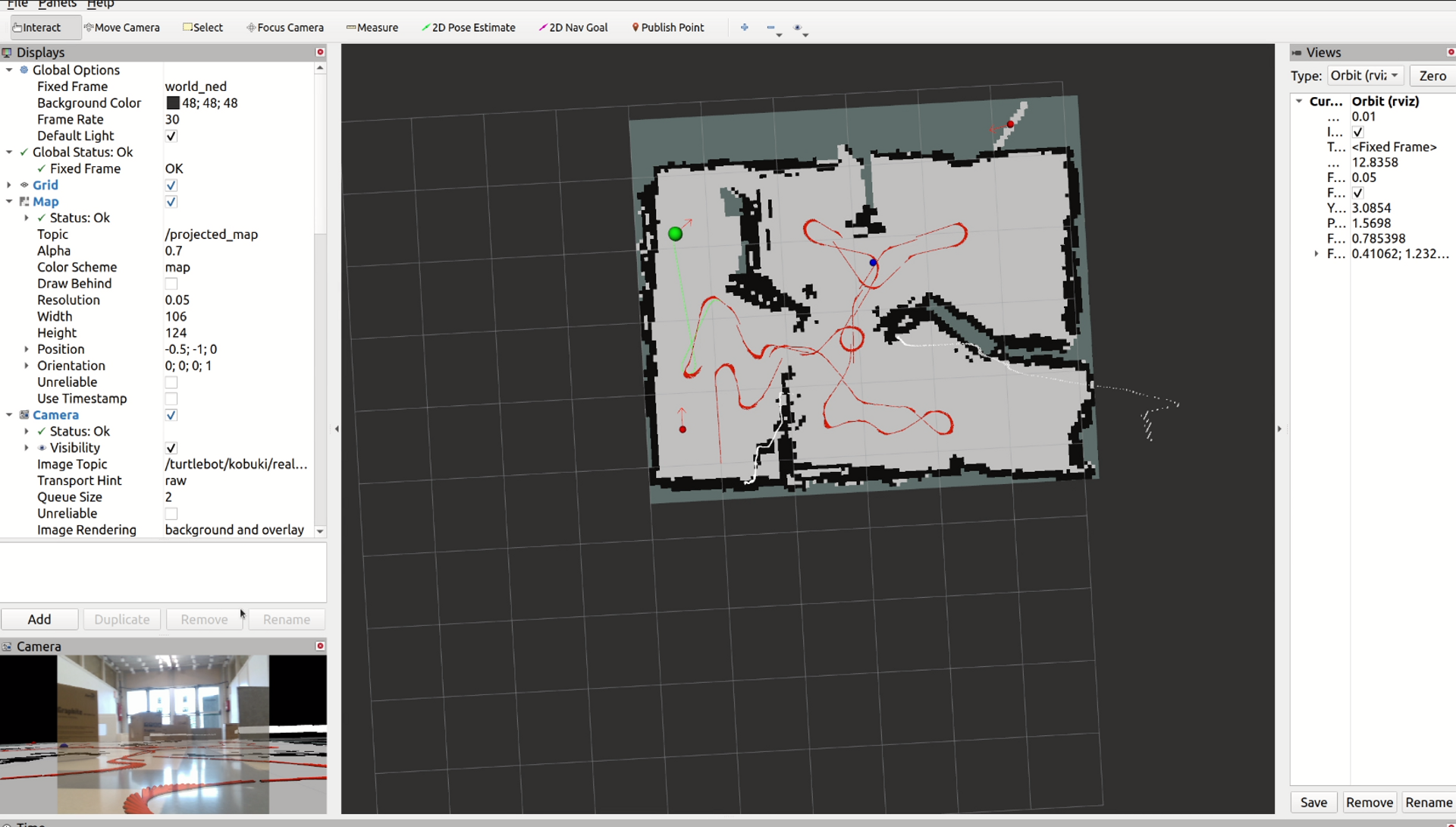
Implemented a frontier-based autonomous exploration system on a Kobuki Turtlebot, combining RRT* (with cost-based parent selection and rewiring) and Dubins path steering for kinematically-feasible motion planning under differential constraints. Designed an entropy-based information-gain criterion for frontier target selection and a hybrid PID/pure-pursuit controller for trajectory tracking. Validated in simulation (Stonefish) and on real hardware with an RGB-D camera.
Goal-Driven Deep RL Policy for Robot Navigation
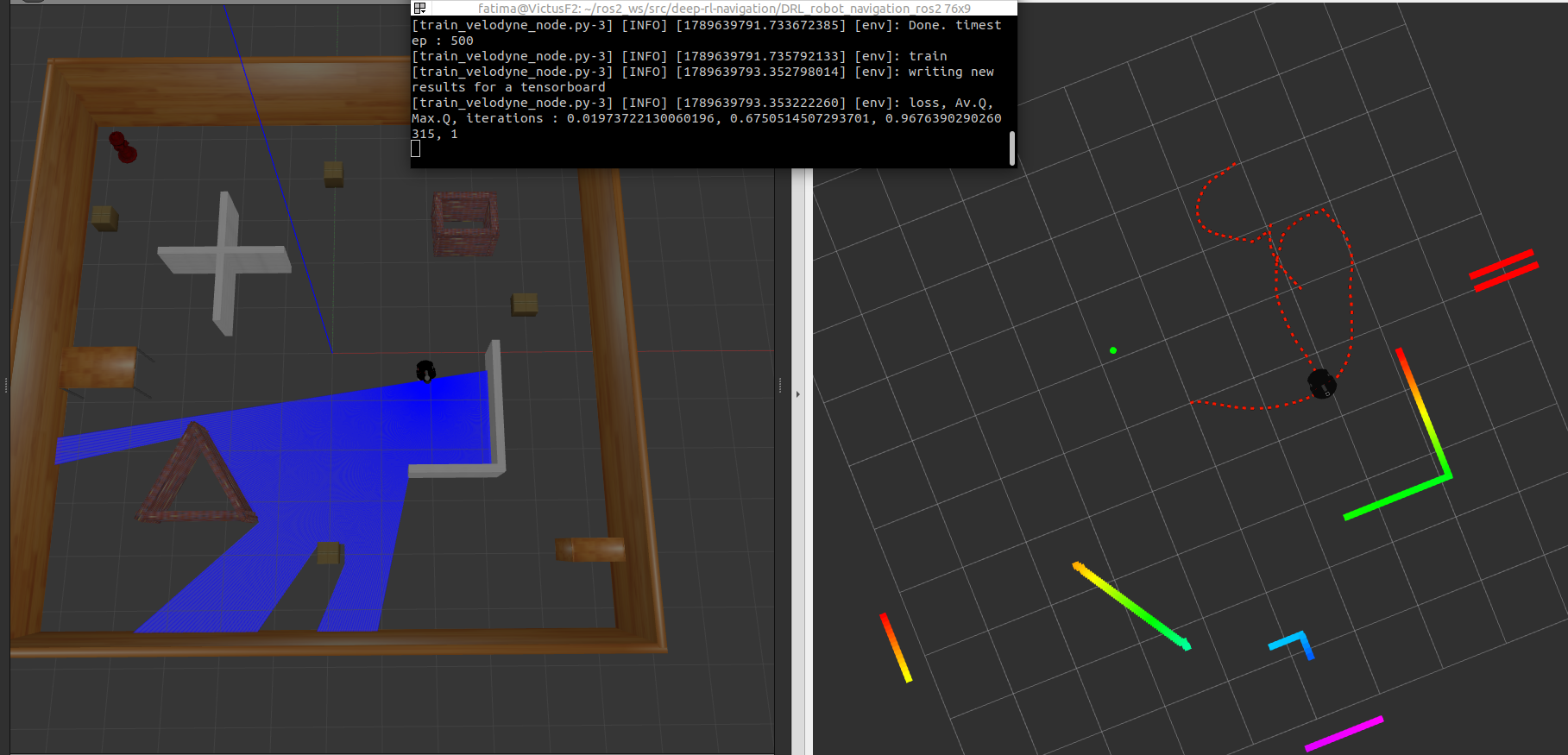
Implemented a TD3 actor-critic agent in PyTorch for goal-reaching with obstacle avoidance in continuous action space, trained and validated in a ROS2 and Gazebo simulation. The robot learns by trial and error from LiDAR sensing, goal direction and a reward signal, and TD3’s twin critics and delayed policy updates keep training stable and limit overestimation bias. Trained on randomized start positions, goals and obstacle layouts to generalize to new situations.
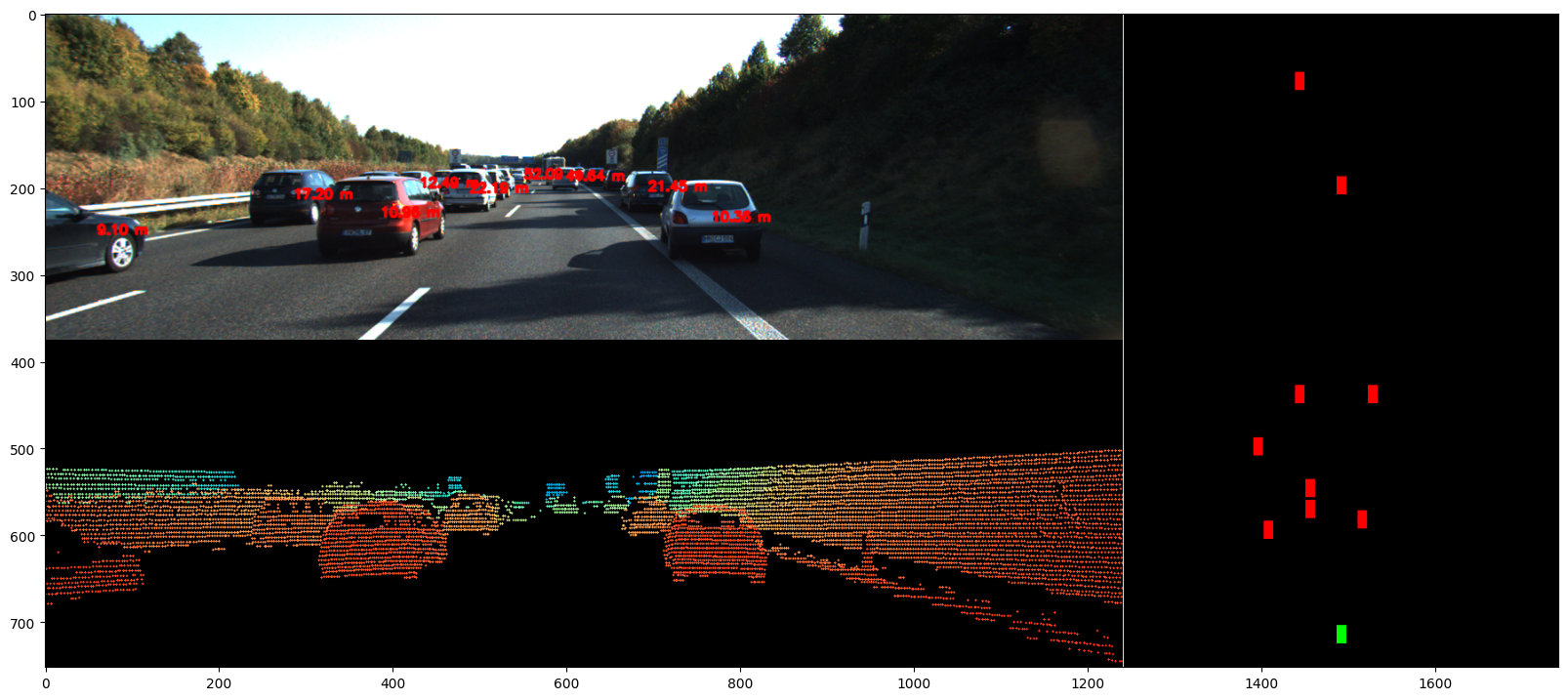
LiDAR-Camera Sensor Fusion - KITTI 3D Object Detection
Fuses YOLO-based 2D object detection with raw LiDAR point clouds to recover 3D depth for detected objects. Implements the full KITTI calibration chain (LiDAR → Camera → IMU → Geodetic), projecting point clouds onto camera images with RANSAC ground-plane removal and associating detections with LiDAR depth via nearest-neighbor matching. Outputs real-world GPS-located detections.
Pose Based SLAM using the Extended Kalman Filter (EKF) on a Kobuki Turtlebot
Implemented a Pose-Based P- EKF SLAM system integrating IMU and 2D LiDAR data on a Kobuki Turtlebot. The algorithm maintains robot pose history for map building and localization, using ICP for scan matching and robust state updates. Validated in both simulated (Stonefish) and real-world environments, PEKFSLAM demonstrated superior accuracy and stability compared to conventional EKF-based SLAM approaches.
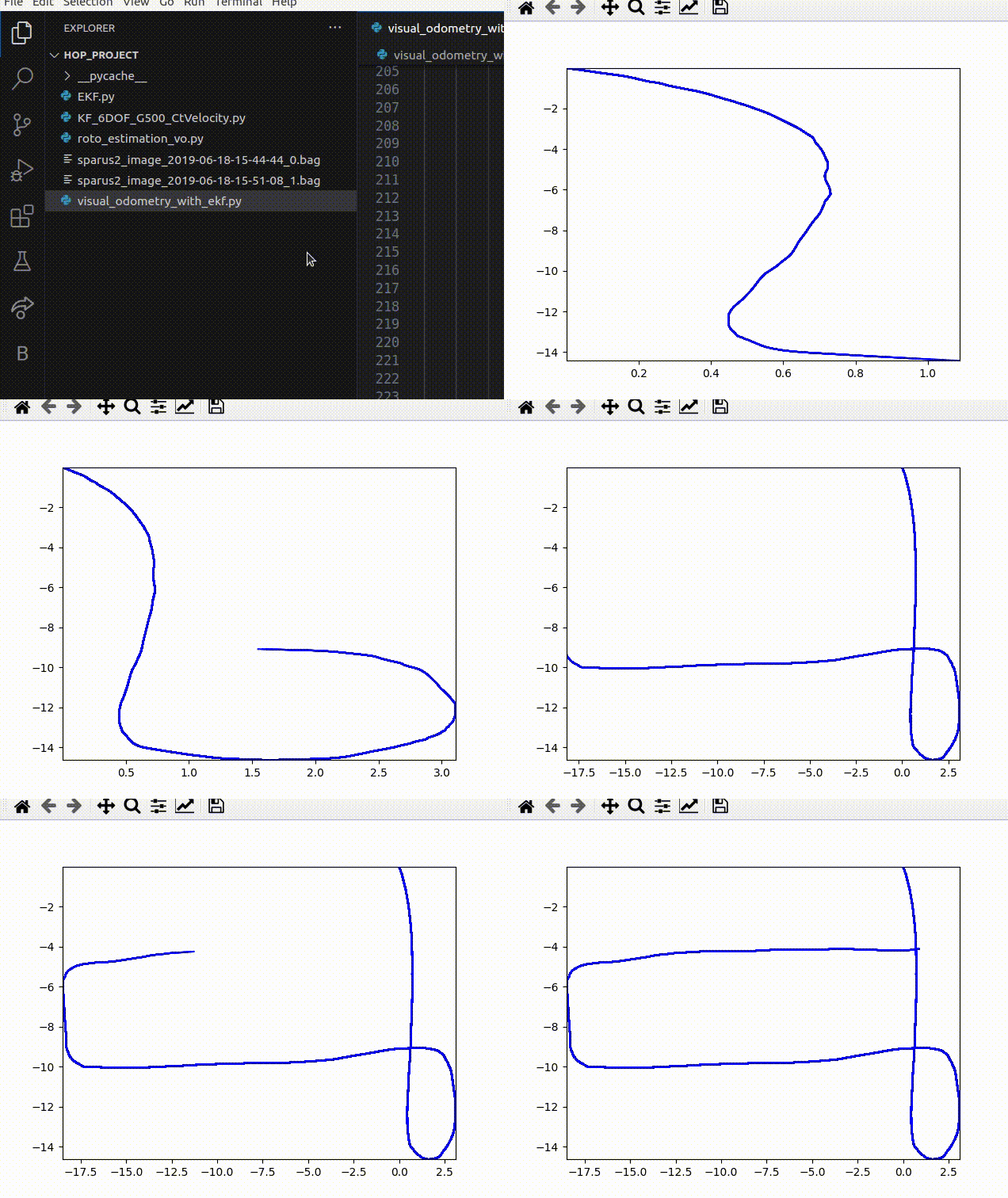
Monocular Visual Odometry for an Autonomous Underwater Vehicle (AUV)
M-VO for an AUV through an integrated approach combining extended Kalman filter (EKF) based navigation. The methodology employs SIFT feature detection and FLANN matching to (offline / post) process images from a ROSBag. A key contribution of this work is the incorporation of EKF to provide a refined estimation of the vehicle´s motion and trajectory.

Stereo Visual Odometry on the KITTI Dataset
Implementation of Stereo VO pipeline in Python on the KITTI dataset. It processes stereo image data using SIFT, feature matching using BFMatcher, triangulation of points, to estimate the motion of a camera (w.r.t its starting position) in 3D space using the approach of minimizing the 3D to 2D reprojection error with PnP and RANSAC.

Modeling and Control of Quadrotors
In this Aerial Robotics course, lab work included design and implementations of attitude control of a quadrotor, cascade control of a single quadrotor axis in MATLAB, cascade horizontal control of quadrotor in the Gazebo simulator and on the real DJI Tello quadrotor.
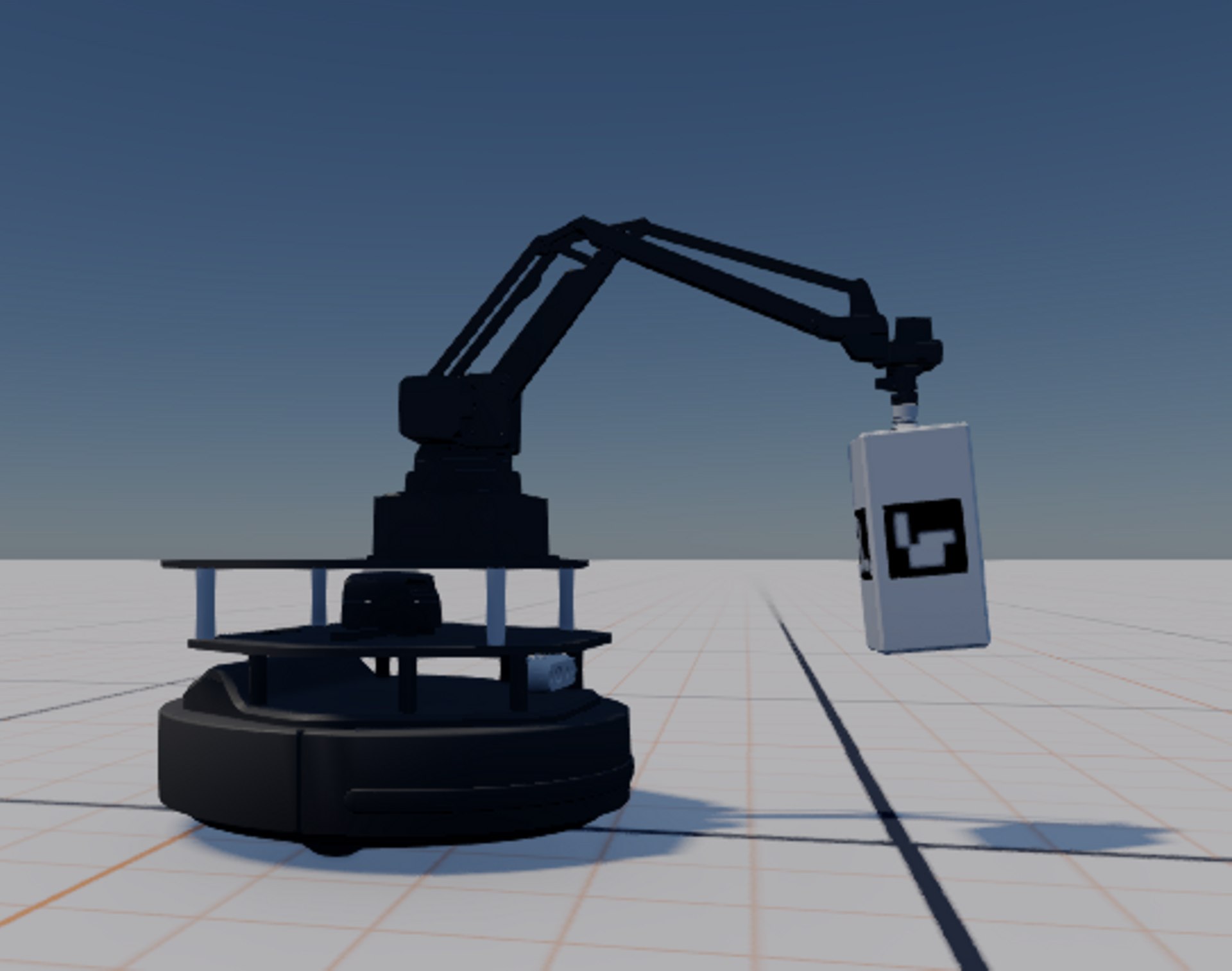
Kinematic Control System for a Mobile Manipulator, based on the Task-Priority Redundancy Resolution Algorithm
Designed and implemented a kinematic control system for a mobile manipulator (Kobuki Turtlebot 2 with a 4-DOF uArm Swift Pro), using a task-priority redundancy resolution algorithm. Developed in ROS and tested in the Stonefish simulator, the system performed complex pick-and-place tasks, including ArUco marker-based navigation.

Deep Learning
In this Deep Learning course lab work, PyTorch implementations included working on logistic regression and gradient descent, implementing fully connected models on the MNIST dataset, Convolutional models for image classification tasks on MNIST and CIFAR, Recurrent models for analysis of sentiment classification with the Stanford Sentiment Treebank (SST) dataset followed by detailed implementations on metric embeddings.

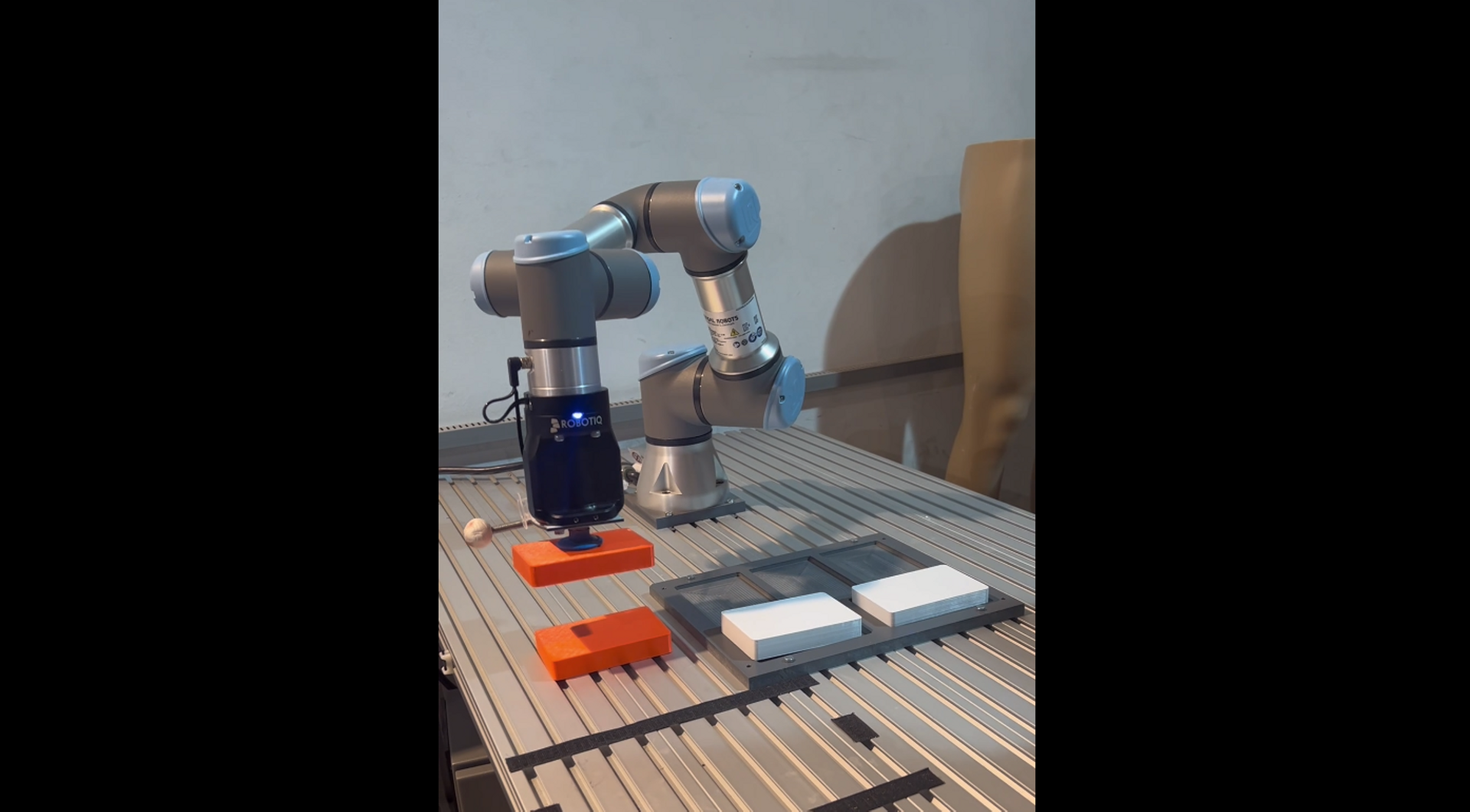
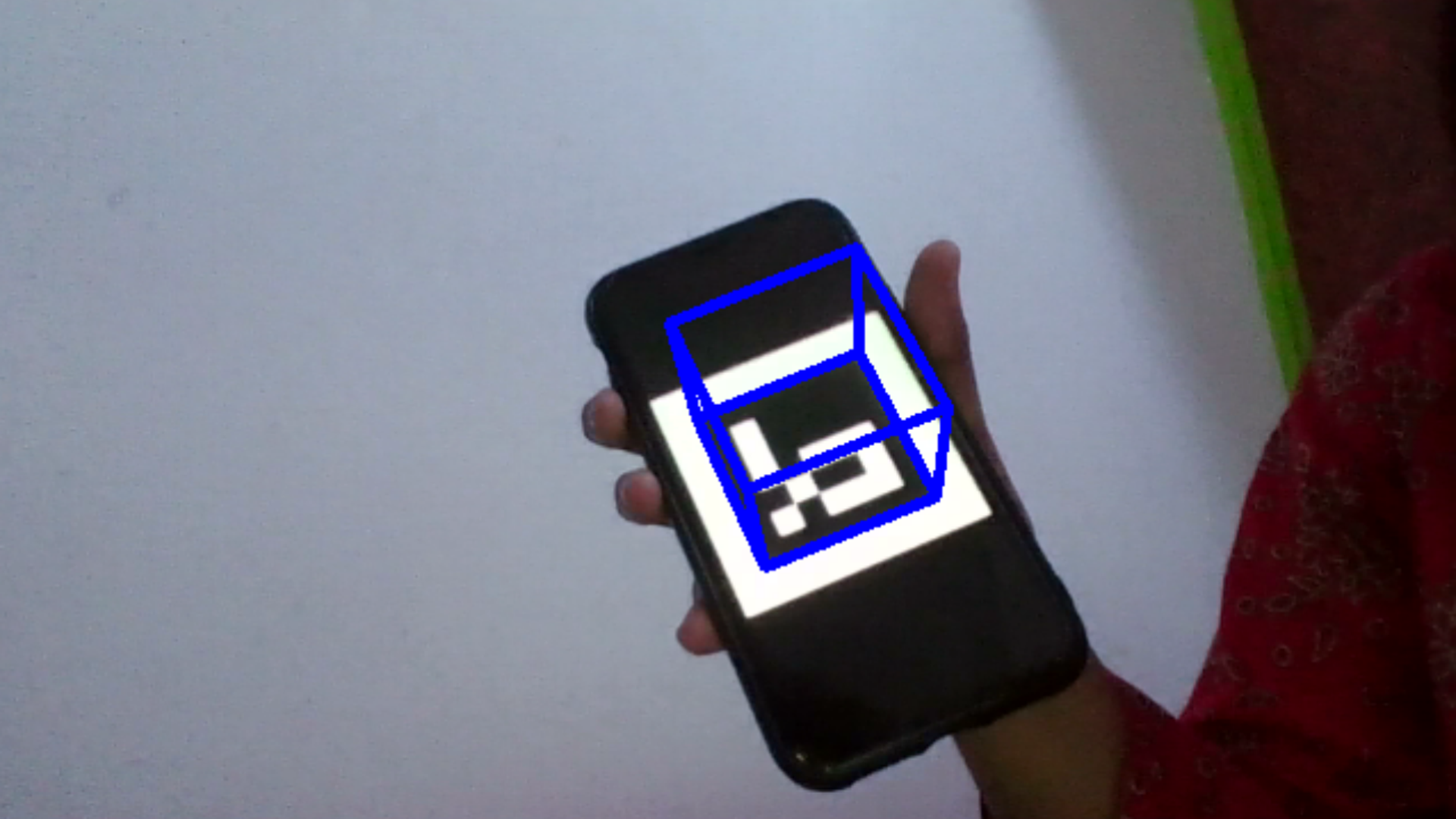
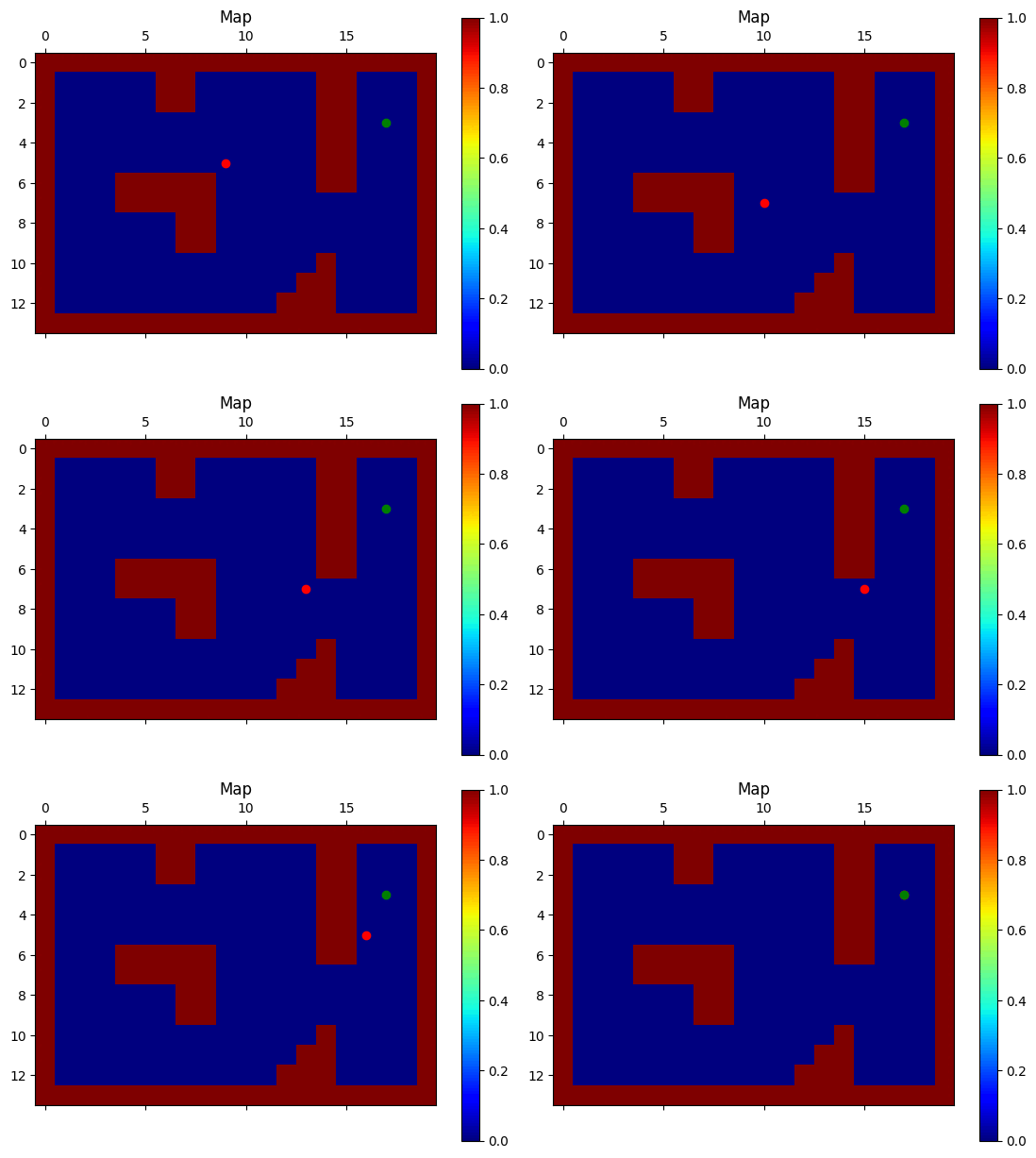
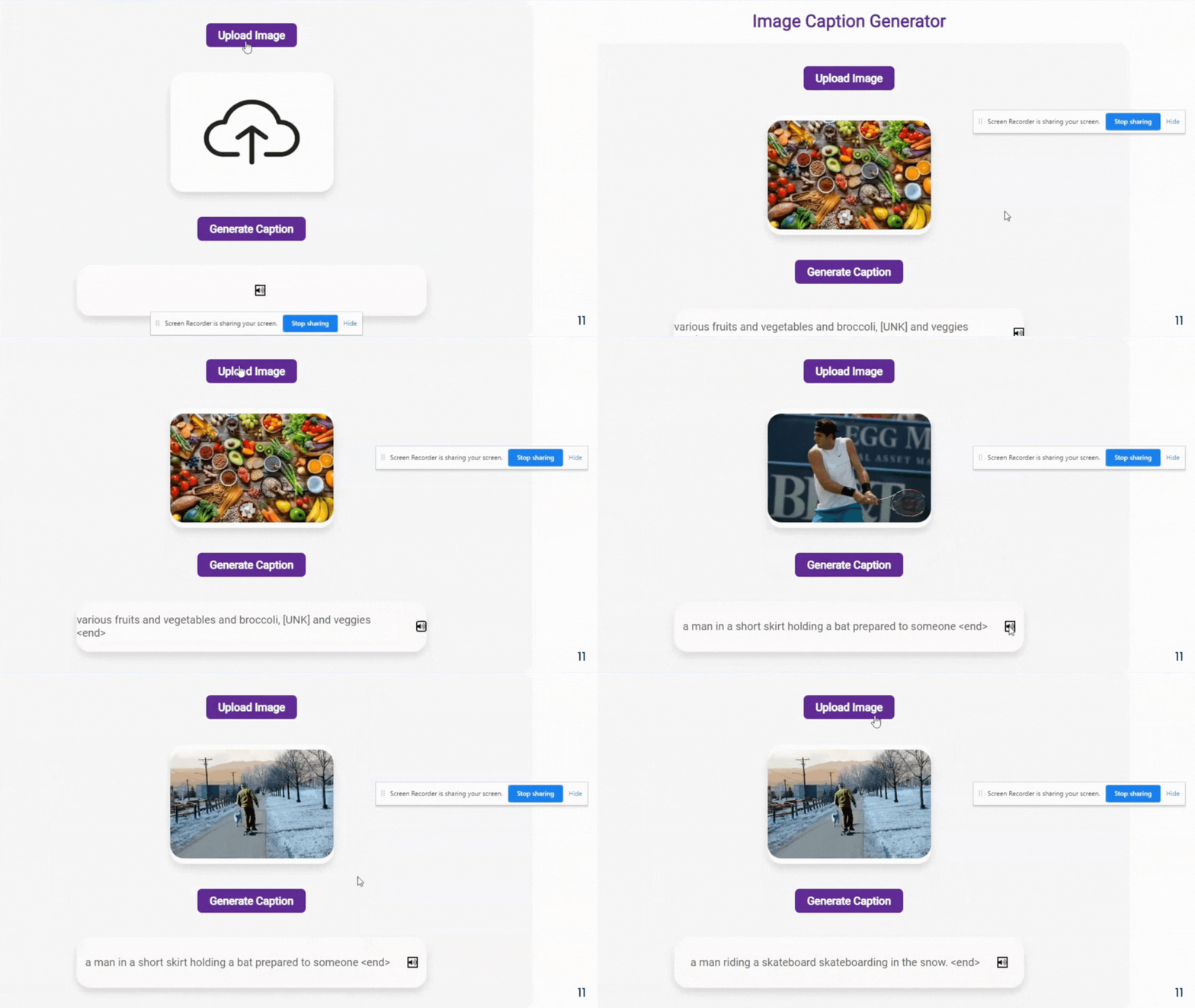
Image Captioning Deep Learning Model
In this undergraduate research project, developed an attention-based CNN-RNN image captioning system that converts visual content into natural-language descriptions. The model uses InceptionV3 as the encoder and GRU as the decoder, trained on datasets including MS COCO, Flickr8k, and Flickr30k.
Highlights